 Venus Laser
⚙️ The Evolution of Aesthetic Technology in Canada
The aesthetic industry in Canada has witnessed a paradigm shift over the past decade. From the bustling cosmetic clinics of Toronto to the advanced wellness centers in Vancouver and Montreal, there is an insatiable demand for high-performance aesthetic machinery. As Canadian operators seek to balance operational efficiency with patient safety, the reliance on high-quality OEM and ODM partners has become critical. Unlike traditional manufacturing, the modern Canadian aesthetic landscape demands "Other Factories" that do more than just assemble; they provide comprehensive R&D, CE/FDA certification support, and localized clinical training.
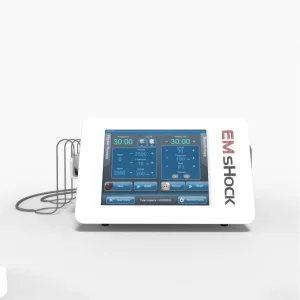
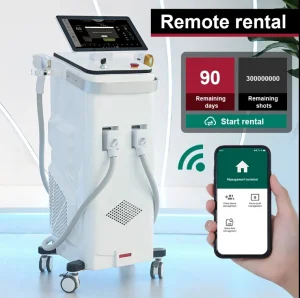
The current trend in Canada leans heavily toward non-invasive solutions. Technologies such as high-intensity focused ultrasound (HIFU), multi-wavelength diode lasers for hair removal, and fractional radiofrequency (RF) microneedling have moved from novelty to standard procedure. By bridging the gap between global manufacturing hubs and Canadian clinics, businesses can leverage competitive pricing without compromising the rigorous safety standards required by Health Canada and global ISO regulations.
🚀 Essential Equipment for Modern Canadian Clinics
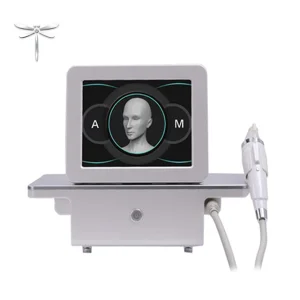
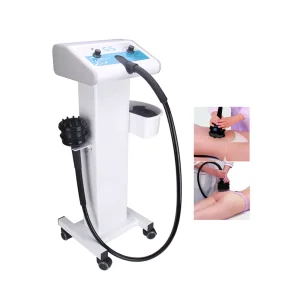
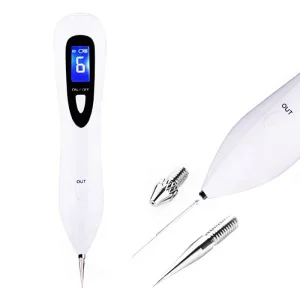
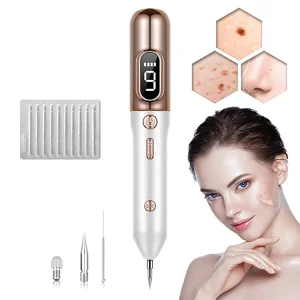
📈 Market Trends & Regulatory Compliance
Why do Canadian businesses increasingly look toward specialized manufacturing partnerships? It comes down to expertise. The Canadian market is highly regulated, prioritizing patient safety and evidence-based results. Suppliers that provide detailed clinical data, post-market support, and modular hardware designs are the ones that succeed in the "Great White North."
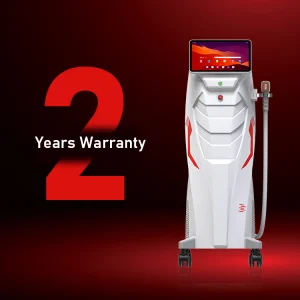
When looking for "Other Factories" or alternative manufacturing sources for aesthetic devices in Canada, consider these three pillars of trust: Certification (ensuring devices are CE, TUV, or FDA/Health Canada compatible), Clinical Efficacy (the device must provide reproducible results for diverse skin types), and Service Continuity (24/7 technical support, which is vital given the time zone differences). Whether you are looking for Diode Lasers for epilation or advanced body sculpting machines, understanding the factory's commitment to quality is the difference between a high-ROI business model and expensive downtime.