 Venus Laser
Featured Aesthetic Solutions
The Evolution of Aesthetic Medicine in Jordan
The beauty and medical aesthetic industry in Jordan has undergone a profound transformation. Amman has become a focal point for medical tourism in the MENA region, driven by high standards of clinical care and the rapid adoption of advanced aesthetic technologies. As specialized clinics and medical spas expand, the demand for reliable manufacturing partners—capable of bridging the gap between high-tech equipment and local operational needs—has never been higher.
Market Dynamics
Unlike saturated markets, the Jordan market requires equipment that is both robust and compliant with international certifications (CE, FDA). "Other factories" often promise low prices, but at VS LASER, we emphasize Information Gain: providing clients with the technical data, clinical research, and maintenance protocols necessary to justify ROI in a competitive clinic environment.
Technical Roadmap
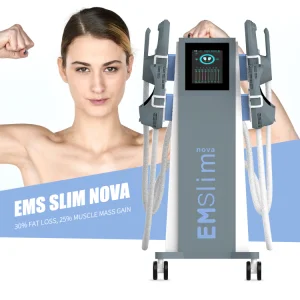
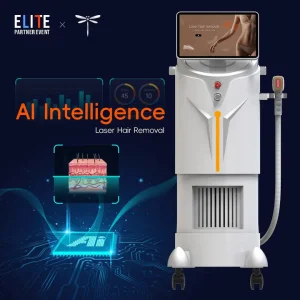
The future of aesthetics is in Hybrid Modalities. We are moving away from single-function devices toward multifunctional systems—combining RF, Laser, and EMS. Our R&D roadmap focuses on "Intelligent Aesthetics," integrating AI-driven skin analysis (as seen in our 1600W Diode Laser systems) to provide personalized treatment paths for diverse skin phototypes common in the Middle East.
Global Trends & Localized Application
Globally, the shift is toward non-invasive, minimal downtime procedures. For the Jordan market, we have localized our solutions to handle specific environmental challenges—ensuring cooling systems in laser equipment are optimized for high-temperature climates. This technical localization is what separates high-end manufacturing from generic export houses.
Key Strategic Pillars for Distributors
- Regulatory Alignment: Ensuring all imports align with local health authority standards to facilitate smooth customs and clinic operations.
- After-Sales Resilience: A machine is only as good as its support network. Our 7x24 global response team provides the "safety net" that professional clinics in Jordan rely on.
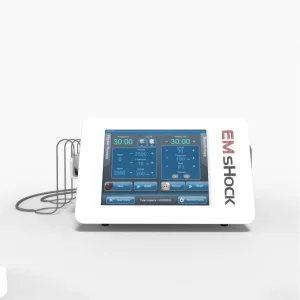
- Evidence-Based Aesthetic: Providing clinical whitepapers and training guides for every device (from Shockwave therapy to Pico Laser), enabling practitioners to deliver safer results.
Frequently Asked Questions (FAQ)
Q: Why is technical support critical for Jordan-based clinics?
A: Aesthetic equipment involves precision lasers and sensitive electronics. In a region where downtime equals revenue loss, having 24/7 technical support and a 2-year warranty ensures business continuity.
Q: How do you handle customization for the local market?
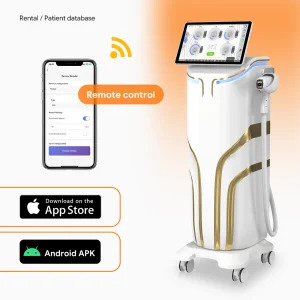
A: We offer OEM/ODM services where we can adjust software interfaces (Multi-language support including Arabic) and hardware cooling specifications to suit local operational preferences.
Q: What differentiates your pricelist from other "factory" quotes?
A: Our pricing reflects the "Total Cost of Ownership"—including rigorous quality control (ISO 13485), long-term parts availability, and comprehensive training materials, rather than just the initial hardware cost.