
China Top Hot Sales Diode Laser Suppliers?

Time:2026-09-17 Author:Oliver
0%

China has become a major sourcing destination for diode laser equipment, supported by broad manufacturing capacity and competitive pricing. Yet finding reliable suppliers requires more than comparing online product photos. Buyers should examine technical specifications, factory experience, quality controls, and after-sales support before making a decision.

This guide explores China’s Hot Sales Diode Laser suppliers for professional and industrial applications. It considers wavelength options, output stability, cooling systems, package quality, and customization ability. A dependable supplier should provide clear datasheets, consistent test results, traceable production information, and responsive communication. Factory audits, sample testing, and video inspections can reveal details that product pages often hide. Small clues matter, such as clean optical packaging, accurate labels, and stable performance during extended operation.

Price remains important, but the lowest quotation may create higher costs later. Weak documentation, delayed spare parts, or unclear warranty terms can interrupt a buyer’s project. No supplier list is perfect. Market conditions change, product quality can vary between batches, and impressive certifications still require verification. That is why this introduction focuses on practical evidence rather than promotional claims. Readers can compare suppliers through measurable criteria, including delivery records, engineering support, compliance documents, and customer feedback. Careful evaluation does not remove every risk. It makes the remaining risks easier to understand and manage.
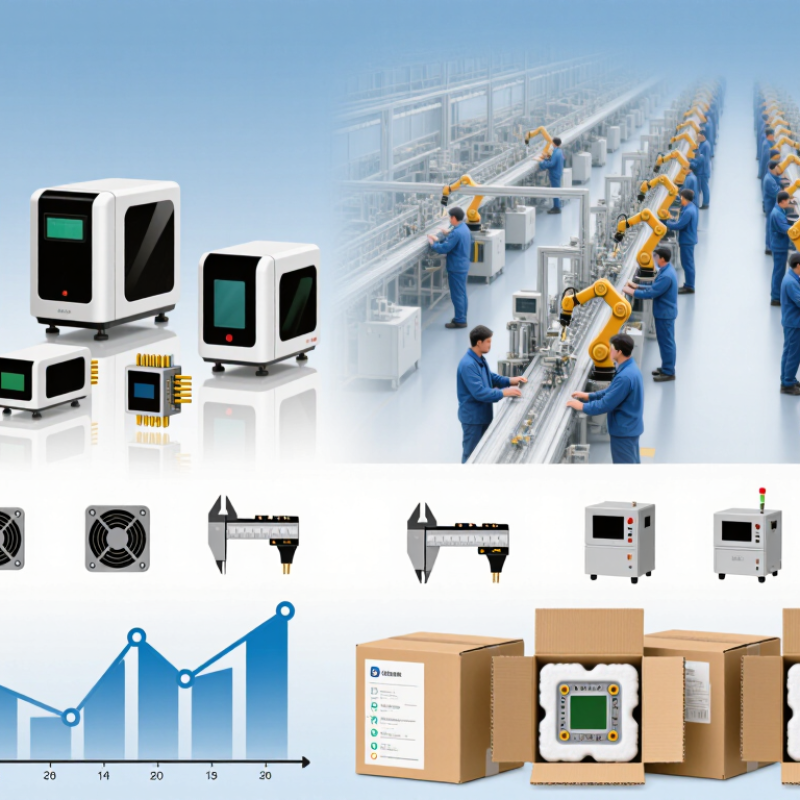
China Top Hot Sales Diode Laser Suppliers?

What Are Diode Lasers and Where Are They Used?

Diode lasers are compact light sources built from semiconductor materials. Electrical current passes through a junction and produces focused light. Their wavelength depends on the diode’s material and design. Common ranges include visible red, near-infrared, and blue light. They start quickly, consume little power, and fit into small equipment.

Their uses are surprisingly broad. In clinics, controlled diode systems support hair reduction and selected skin treatments under trained supervision. In manufacturing, they guide cutting, welding, marking, alignment, and measurement. Retail scanners use low-power versions to read codes. Communication systems also use diode lasers to transmit data through optical fiber. Different tasks require different power, wavelength, beam quality, and cooling methods.

Choosing a reliable supplier requires more than checking output power. Ask for wavelength tolerance, thermal stability, safety testing, service records, and clear operating limits. A useful test includes continuous operation, not only a short demonstration. Specifications may look perfect on paper. Real performance can change when heat builds inside the module. I have found that this detail is easy to underestimate. Eye protection, shielding, warning labels, and trained operators remain essential, especially with invisible infrared beams. Suppliers that provide traceable test reports and practical technical support are usually easier to evaluate. Low price alone is a weak purchasing standard.

Why Is China a Major Diode Laser Supply Market?

China Top Hot Sales Diode Laser Suppliers?

Why Is China a Major Diode Laser Supply Market?

China has become a major diode laser supply market through dense manufacturing networks. Semiconductor packaging, optics, thermal modules, and precision machining often operate within connected industrial regions. This proximity can shorten development cycles and reduce shipping between production stages.

In supplier evaluations, I look beyond attractive quotations. A reliable factory should provide wavelength data, output-power tests, beam-quality records, and thermal-aging results. Clear calibration dates matter. So do traceable inspection reports. Many Chinese suppliers also support small pilot orders, custom housings, and adjustments for medical, industrial, research, and sensing equipment. That flexibility helps engineers test designs before committing to volume production.

Pricing is another factor, but low cost alone can mislead. Component consistency, driver protection, cooling design, and after-sales communication influence real purchase value. China’s large domestic demand encourages suppliers to improve automation and production capacity. Export experience also helps with packaging, documentation, and regional compliance requirements. Still, quality varies between factories. Some public specifications may be incomplete or overly optimistic. Buyers should request samples, inspect test methods, and compare results under identical conditions. A careful audit may reveal more than a polished catalog.

How to Identify China’s Top Diode Laser Suppliers

China Top Hot Sales Diode Laser Suppliers?

How to Identify China’s Top Diode Laser Suppliers

Identifying reliable diode laser suppliers requires more than checking online sales rankings. Practical sourcing experience shows that stable performance matters more than attractive photographs. Review the supplier’s operating history, production capacity, and technical team. Ask for wavelength, output power, pulse duration, cooling method, and beam quality data. These details should match your application and expected working conditions.

Request recent test reports and sample units before placing a large order. Check whether measurements come from calibrated equipment. A professional supplier should explain testing methods clearly. They should also provide batch records, serial-number tracking, and written quality procedures. Factory videos can help, but an independent audit is stronger evidence. A polished website is not proof. I have seen specifications change between samples and final shipments, so written confirmation remains essential.

Pay close attention to communication after technical questions arise. Skilled engineers should discuss thermal management, lifetime estimates, installation limits, and maintenance requirements without vague promises. Examine packaging, lead times, spare-part support, and response procedures. Confirm that documentation supports the destination market and intended use. References from comparable customers can reveal recurring problems, not just successful deliveries. Price still matters, but an unusually low quotation may hide weaker components or limited testing. This is where careful comparison becomes necessary, and sometimes the “best” supplier needs further verification.

What Products and Services Do Leading Suppliers Offer?

Leading diode laser suppliers now sell more than emitters. Their portfolios commonly include single-mode chips, multimode modules, fiber-coupled systems, laser bars, and high-power arrays. Wavelength options range from visible red light to near-infrared bands. Suppliers also provide drivers, cooling plates, optical lenses, and integrated housings.

MarketsandMarkets estimates the global laser diode market could grow from about USD 10 billion in 2023 to USD 15.4 billion by 2028. This growth reflects demand from optical communications, industrial processing, medical equipment, and sensing. Products must match the application, not merely the advertised wattage. Thermal resistance, beam quality, wavelength stability, and lifetime data deserve close review. Small details matter.

Reliable suppliers usually offer sample testing, optical characterization, customized packaging, and production support. Strong service teams can provide aging tests, temperature-cycle reports, and traceable inspection records. Compliance with IEC 60825-1 and documented quality systems also improves purchasing confidence. Yole Group’s semiconductor laser research highlights continuing pressure on efficiency, packaging, and manufacturing scale. Yet supplier data is not always complete. Some lifetime claims use ideal laboratory conditions, so buyers should request test temperatures, drive currents, and failure definitions. That step is easy to miss.

How to Compare Quality, Pricing, and Supplier Reliability?

China Top Hot Sales Diode Laser Suppliers? How to Compare Quality, Pricing, and Supplier Reliability?

China’s diode laser market deserves careful comparison, not quick price hunting. Fortune Business Insights valued the global laser diode market at about USD 8.7 billion in 2024, with strong growth expected through 2032. That growth attracts capable factories and inconsistent traders. Ask for wavelength tolerance, output stability, beam quality, operating lifetime, and burn-in records. A low-cost module may look attractive, but unstable power can increase calibration and replacement costs.

Quality needs evidence. Request batch test reports, serial-number traceability, and samples from regular production lines. Check whether the supplier controls chip mounting, thermal management, optical alignment, and final inspection. ISO 9001 certification helps, but it does not replace technical verification. IEC 60825-1 should guide laser safety evaluation. Pricing should include packaging, testing, shipping, duties, spare units, and warranty support. Compare total landed cost, not only the unit quotation.

Tips: Create a scorecard before contacting suppliers. Give quality 40%, reliability 35%, and price 25%. Ask for failure-rate data, corrective-action records, and realistic lead times. A supplier promising every specification immediately may be overconfident. I have found that small details matter, such as connector consistency and temperature-test photos. However, supplier claims still need independent checks. A third-party inspection or pilot order can expose problems early. Use a written acceptance standard, and review it after the first shipment.

FAQS

Why is China a major diode laser supply market?

Dense manufacturing regions connect semiconductor packaging, optics, cooling modules, and precision machining. This proximity can shorten development cycles. It may also reduce shipping between production stages.

What should buyers check before selecting a supplier?

Request wavelength data, output-power tests, beam-quality records, and thermal-aging results. Check calibration dates and traceable inspection reports. A polished catalog is not enough.

Do suppliers support small development orders?

Many suppliers accept pilot orders, customized housings, and application-specific adjustments. This helps engineers test designs before larger purchases. Small samples reveal practical weaknesses.

Which diode laser products are commonly available?

Common products include single-mode chips, multimode modules, fiber-coupled systems, laser bars, and high-power arrays. Some suppliers also provide drivers, cooling plates, lenses, and integrated housings.

How should buyers compare diode laser performance?

Compare thermal resistance, beam quality, wavelength stability, and lifetime data. Do not judge products by wattage alone. Small details matter.

Why is low pricing not always the best choice?

Low prices may hide inconsistent components, weak driver protection, or poor cooling design. After-sales communication also affects the real purchase value. Cheap can become expensive.

What testing information should suppliers provide?

Ask for sample results, aging tests, temperature-cycle reports, and optical characterization. Request test temperatures, drive currents, and clear failure definitions. The conditions matter.

How can buyers verify optimistic lifetime claims?

Compare claims under identical temperatures, currents, and testing methods. Inspect samples when possible. I would not rely on ideal laboratory conditions alone.

Conclusion

Diode lasers are compact semiconductor-based light sources widely used in medical procedures, aesthetic treatments, industrial processing, communications, measurement, and research. Their efficiency, controllable wavelength, long service life, and flexible design make them valuable across many applications. China has become a major diode laser supply market because of its mature manufacturing capabilities, broad component supply chain, skilled technical workforce, and ability to support customized production at different price levels.

When evaluating China’s top suppliers, buyers should examine product specifications, wavelength stability, output power, cooling systems, safety features, certifications, testing procedures, and application experience. Leading suppliers may offer laser modules, complete systems, accessories, technical consultation, customization, training, and after-sales support. To identify reliable Hot Sales Diode Laser products, compare performance consistency, total cost, production capacity, delivery schedules, warranty terms, communication efficiency, and quality-control documentation. A dependable supplier should provide clear technical data, sample testing, transparent pricing, and responsive service, helping customers select solutions that balance quality, value, and long-term reliability.

Oliver

Oliver

Oliver is a seasoned marketing professional with a wealth of expertise in driving brand awareness and engagement. With a deep understanding of our company's product offerings, he consistently delivers high-quality content that enriches our professional blog. His insights not only shed light on......