The realm of Diode Laser Medical technology is rapidly evolving. Over recent years, significant advancements have been made in laser medical devices. These innovations have attracted global interest from buyers looking for effective solutions. Dr. Emily Chen, a leading expert in the field, states, "Diode laser technology is transforming medical procedures and enhancing patient outcomes."
As the market grows, it’s essential to identify the top diode laser devices available. Each product varies in capabilities and features. Understanding these differences helps providers make informed choices. When selecting a device, buyers must consider efficacy, safety, and user feedback.
However, navigating this landscape can be challenging. Not all products meet the same high standards. Some devices may lack the required clinical validation. Expected performance does not always align with reality, underscoring the importance of thorough research. Overall, the Diode Laser Medical industry presents both opportunities and caution for discerning practitioners and buyers alike.
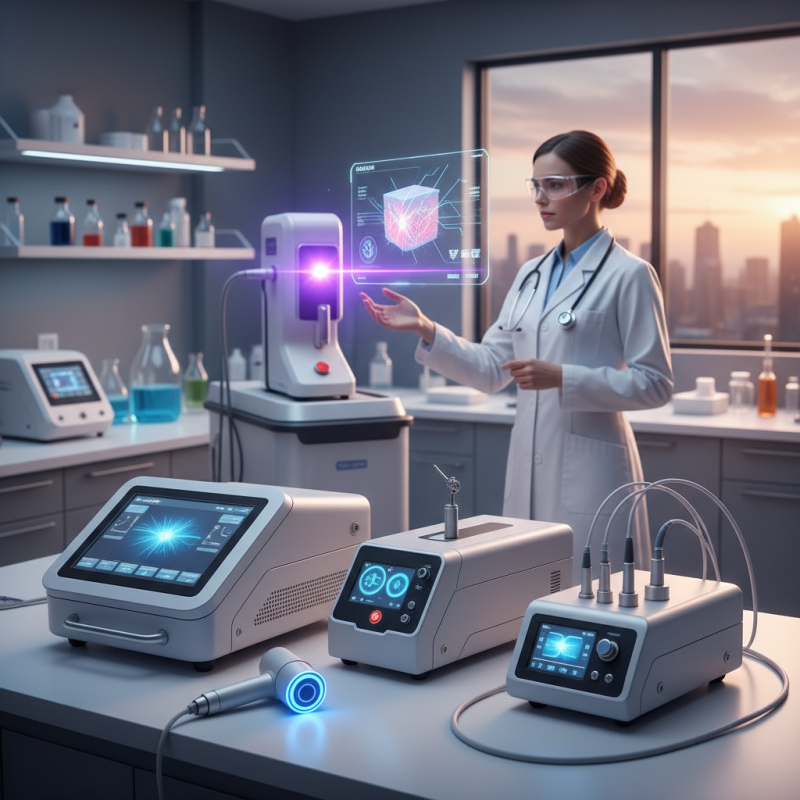
Understanding Diode Laser Technology in Medical Applications
Diode laser technology has transformed medical applications, offering precision and versatility. This technology uses a semiconductor to create light, which can be finely tuned for various treatments. The medical field uses diode lasers for hair removal, skin rejuvenation, and even surgical procedures. Their ability to deliver targeted energy with minimal damage to surrounding tissue is a key benefit.
Choosing the right diode laser device requires deep expertise. Buyers should consider the wavelength, pulse duration, and energy output when assessing devices. Each parameter affects treatment effectiveness and patient recovery. However, it's essential to remember that not all laser treatments are suitable for everyone. Individual skin types and medical histories play a critical role in determining the best options.
Tips: Always consult qualified professionals before proceeding with laser treatments. Understanding your skin type helps in selecting the right settings. Research peer-reviewed studies to find evidence on the effectiveness of specific diode laser applications in your medical practice. Regular maintenance of laser devices is crucial for consistent performance and patient safety.
Key Features to Consider When Choosing Diode Laser Medical Devices
When selecting diode laser medical devices, several key features should be prioritized. One critical aspect is the wavelength. Different medical applications require specific wavelengths to target tissues effectively. A device that operates within the optimal range for your procedure ensures the best outcomes.
Another essential feature is power output. Higher power levels can enhance treatment speeds but may lead to increased risks if not handled properly. Continuous power adjustment is beneficial for tailoring treatments. Portability also stands out as a significant attribute. Devices that are lightweight and easy to maneuver improve workflow during procedures.
User-friendly interfaces matter too. A well-designed interface simplifies operation, which is crucial in high-pressure medical environments. However, some devices may present learning curves. This could impede effective use initially. Therefore, it's advisable to explore user reviews and clinical feedback extensively. Balancing these features is essential. Aim for a device that combines effectiveness with safety.
Top 10 Diode Laser Medical Devices for Global Buyers
| Device Type |
Wavelength (nm) |
Power Output (W) |
Applications |
Weight (kg) |
Price Range (USD) |
| Hair Removal |
810 |
20 |
Dermatology |
15 |
5000 - 8000 |
| Dermatologic Treatments |
755 |
15 |
Tattoo Removal |
12 |
6000 - 9000 |
| Pain Management |
980 |
30 |
Pain Relief |
18 |
4000 - 7000 |
| Dental Laser |
810 |
20 |
Cavity Treatment |
14 |
7000 - 10000 |
| Surgical Laser |
1064 |
25 |
Soft Tissue Surgery |
20 |
8000 - 12000 |
| Cosmetic Laser |
1320 |
10 |
Skin Rejuvenation |
8 |
3000 - 5000 |
| Vascular Laser |
595 |
25 |
Vein Treatment |
16 |
7500 - 11000 |
| Nd:YAG Laser |
1064 |
30 |
Tattoo and Hair Removal |
19 |
9000 - 13000 |
| Aesthetic Laser |
650 |
15 |
Body Contouring |
10 |
2000 - 4000 |
| Laser Lipolysis |
980 |
25 |
Fat Reduction |
14 |
5000 - 8000 |
Top 10 Diode Laser Medical Devices: Overview and Specifications
Diode laser technology has transformed medical treatments across various fields. These devices are known for their precision, versatility, and effectiveness. They are widely used in dermatology for hair removal, skin resurfacing, and treating vascular lesions.
Besides, they play a significant role in ophthalmology for procedures like laser eye surgery. Users often appreciate the minimal discomfort and quick recovery associated with diode lasers.
When examining specifications, power output is critical. Most diode lasers range from 5W to 40W, allowing for tailor-made treatments. Pulse duration, wavelength options, and cooling systems greatly influence efficacy. Advanced models now provide real-time feedback, enhancing treatment accuracy. However, practitioners must remain cautious. Issues with laser settings can lead to suboptimal results or adverse effects.
Staying updated with technological advancements is crucial. New models emerge frequently, promising greater efficiency and comfort. However, the learning curve can be steep, and familiarity with the device is vital for safe use. Users must invest time in training and practice. Diode lasers represent a promising frontier in medical technology, yet continuous learning is necessary for optimal outcomes.
Comparative Analysis of Popular Diode Laser Brands in the Market
In the booming medical device industry, diode lasers have gained immense popularity. These devices offer precise procedures in various fields, including dermatology and dentistry. A comparative analysis reveals key differences among leading brands. Some excel in user-friendly design, while others focus on powerful performance.
The effectiveness of these lasers often hinges on their wavelength. For instance, certain lasers target specific skin conditions more efficiently. Users must assess treatment options linked to different wavelengths. Not every device will meet the needs of all practices. Cost also varies significantly across brands. Higher-priced models may provide more features, but affordability is crucial for many practitioners.
Consumer feedback can be invaluable. Many users report that certain models are easier to operate, which improves efficiency. However, others experience challenges with setup and maintenance. It's vital to consider potential drawbacks. A phasing approach to choosing a diode laser can be beneficial. Taking time to analyze each option helps avoid hasty decisions. In this evolving market, staying informed on the latest innovations and user experiences is essential.
Top 10 Diode Laser Medical Devices - Comparative Analysis
Future Trends and Innovations in Diode Laser Medical Devices
Diode laser medical devices are transforming the healthcare landscape. They offer precision in various applications, from dentistry to dermatology. Future trends indicate a shift toward more portable and user-friendly designs. Clinicians and patients alike will appreciate the convenience these devices provide. The integration of smart technology enables better monitoring and treatment adjustments.
Innovations are emerging, with an emphasis on safety and efficacy. Researchers are exploring new wavelengths and power settings to enhance effectiveness. This could lead to broader applications, reaching more patients. However, healthcare providers must be cautious with these advancements. Not all innovations guarantee better outcomes or patient satisfaction.
The focus on sustainability is becoming clear. Biodegradable materials and energy-efficient technologies are on the rise. While these developments are promising, there are challenges ahead. Balancing cost, effectiveness, and environmental impact remains a critical task. Stakeholders must consider these factors as they navigate the evolving landscape of diode laser medical devices.
FAQS
: Diode laser technology is used for hair removal, skin rejuvenation, and surgical procedures.
Wavelength is critical. Different applications require specific wavelengths for targeting tissues effectively.
Buyers need to consider wavelength, pulse duration, and energy output for treatment effectiveness.
Individual skin types impact treatment suitability. Medical histories influence the best laser options.
Regular maintenance ensures consistent device performance and enhances patient safety during procedures.
Yes, higher power levels can enhance treatment speeds but may also pose increased risks if mismanaged.
A well-designed interface simplifies operations, especially in high-pressure medical environments, although some may have a learning curve.
User reviews provide insights into device usability and any potential challenges encountered during use.
Analyzing brands helps identify key features, strengths, and weaknesses, aiding better decision-making.
A phasing approach involves taking time to analyze options thoroughly, avoiding hasty decisions in a complex market.
Conclusion
This article provides a comprehensive overview of diode laser medical technology, shedding light on its applications and efficacy in various medical fields. It begins by explaining the fundamental principles of diode laser technology and its advantages, such as precision and minimal invasiveness. Additionally, the article outlines key features to consider when selecting diode laser medical devices, ensuring practitioners make informed choices for optimal patient care.
Furthermore, a detailed examination of the top 10 diode laser medical devices is presented, highlighting their specifications and functionalities. A comparative analysis of popular brands is also featured, which aids buyers in understanding the market landscape. Finally, the article discusses future trends and innovations in diode laser medical devices, emphasizing the potential for advancements that could further enhance clinical outcomes in healthcare settings.
 Venus Laser
