
Choosing the right Triple Wavelength Diode Laser can greatly impact your results. With various options available, making an informed choice is crucial. This laser type offers unique features, making it popular in many applications, such as medical treatments and cosmetic procedures.
When selecting a Triple Wavelength Diode Laser, consider your specific needs. Not all lasers deliver the same performance or outcomes. Each wavelength serves different purposes, altering effectiveness on various skin types and conditions. It’s essential to understand these differences to avoid subpar results.
Investing time in research will pay off. Read reviews, consult professionals, and compare specifications. This ensures you select a reliable device that meets your expectations. Remember, the best choice often lies not just in brand reputation but in how well the laser aligns with your goals. Staying informed helps you avoid potential pitfalls and achieve optimal results.
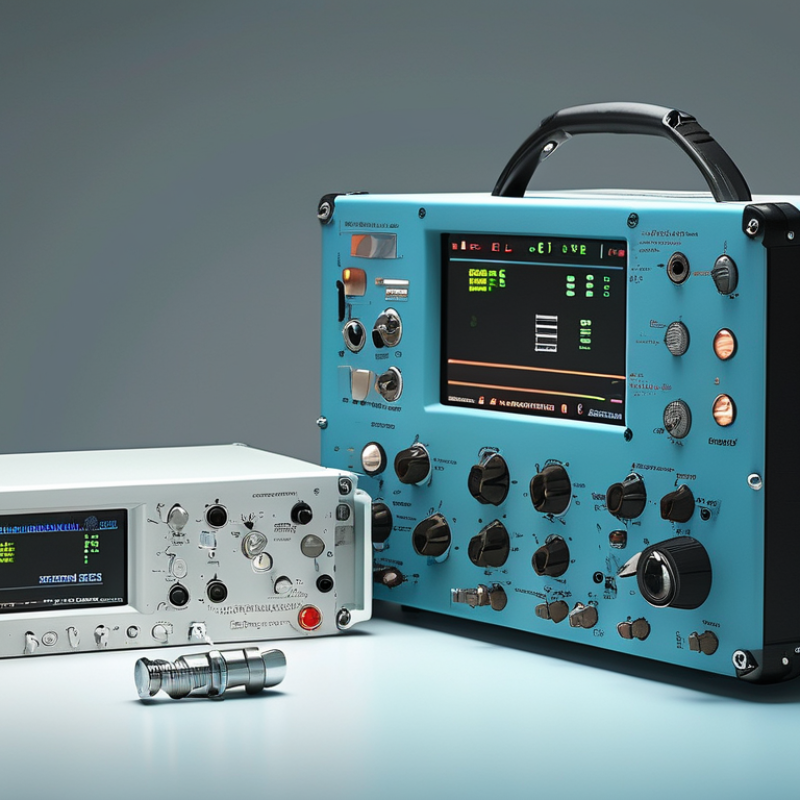
Triple wavelength diode lasers are innovative tools in various fields, especially in medical and aesthetic applications. These lasers emit light at three different wavelengths. This allows for versatility in treatment. For example, they can target multiple skin conditions effectively. Understanding their functionality is crucial before making a purchase.
Wavelengths impact laser penetration and effectiveness. Short wavelengths work best for superficial skin issues. Longer wavelengths reach deeper tissues. Therefore, knowing your treatment goals is essential. User feedback emphasizes the importance of choosing the right wavelength for specific needs. This requires careful consideration of alternatives.
Not all applications necessitate a triple wavelength laser. Sometimes, a single wavelength may suffice. It’s also vital to note that not all areas have the same regulation standards. Variations exist in quality and performance among devices. It’s wise to invest time in research and consult trusted professionals for guidance. This ensures you make an informed decision that truly meets your needs.
When selecting a triple wavelength diode laser, various factors can significantly affect its performance. The power of the laser is critical. Higher wattage can lead to better efficiency in procedures. However, too much power may cause tissue damage. Finding the right balance is essential.
Another important consideration is the wavelength range. Different wavelengths penetrate tissues at varying depths. This affects the outcome of your treatments. Misjudging the appropriate wavelength can compromise results. It's a nuanced decision that requires careful evaluation.
Additionally, ensure that the laser's cooling mechanism is effective. Overheating can damage the equipment and impact performance. Regular maintenance checks are crucial. Users must also appraise the user interface. A complicated system can lead to errors in operation. Ease of use enhances reliability and user confidence. Always reflect on these factors to make informed choices.
| Factor | Considerations | Recommended Range |
|---|---|---|
| Wavelength Options | Select based on application needs (e.g., skin types, hair colors) | 600-1100 nm |
| Laser Power | Assess power output affecting treatment efficiency and comfort | 30-100 W |
| Pulse Duration | Longer pulses for deeper tissue, shorter for superficial treatments | 10-100 ms |
| Cooling Mechanism | Ensure device has adequate cooling for patient comfort | Active or passive cooling systems |
| Safety Features | Look for FDA approval and built-in safety protocols | Regulatory compliance |
When selecting a triple wavelength diode laser, evaluating beam quality and wavelength options is crucial. Beam quality influences the precision of your applications. A stable beam profile enhances the effectiveness of treatments or experiments, ensuring better results.
Consider the specific applications for which you require the laser. Different wavelengths have unique absorption characteristics. For example, one wavelength may work better for dermatological applications, while another might be more suited for precision cutting. Understanding these differences can guide you in making an informed choice.
Keep in mind that not all lasers deliver perfect performance. Some might have a broader beam divergence or inconsistent power output. It can be beneficial to request sample data when possible. This will help you assess the actual performance before making a final decision. By focusing on beam quality and wavelength compatibility, you can enhance your operational success.
When selecting a triple wavelength diode laser, understanding cost-effectiveness and maintenance requirements is crucial. According to industry studies, approximately 40% of laser-related expenditures are linked to maintenance. This emphasizes the need for a laser system that remains both reliable and cost-efficient over time. An important factor to consider is the longevity of components. Lasers with longer lifespans tend to decrease the frequency of replacements, ultimately saving money.
Regular maintenance can lead to hidden costs. Routine inspections, often recommended every three to six months, can mitigate unexpected breakdowns. However, these checks contribute to overall operational costs. Industry reports suggest that enterprises should budget for maintenance, accounting for at least 15% of the total laser system expense annually. This percentage may vary based on usage intensity and working conditions.
Finally, when evaluating cost-effectiveness, think about energy consumption. Triple wavelength diodes may offer improved efficiency but potentially at a higher upfront cost. A detailed analysis, considering both immediate and long-term expenses, is essential. It’s crucial to weigh initial investments against anticipated performance and maintenance needs to make an informed decision.
When selecting a triple wavelength diode laser, manufacturer reputation is crucial. A reliable manufacturer often indicates high-quality products. Consider researching customer feedback online. Verify their experience in the industry. Sources indicate that companies with over ten years in the field typically deliver more consistent results. This vetting process minimizes future complications.
Customer support services play a key role. Efficient support can save time and resources. Responsive help can ease the troubleshooting process. Industry reports emphasize that 70% of users value comprehensive customer service. Look for manufacturers who offer training alongside technical support. This commitment suggests a focus on customer satisfaction.
Seek out testimonials and case studies about the lasers. A manufacturer's proven track record often leads to stronger trust. Ask about warranties and after-sales support, which are essential for long-term use. The right choice today can prevent significant challenges tomorrow. Consider these factors seriously to enhance your purchasing decision.
: The power of the laser is critical. Higher wattage can improve efficiency. However, excessive power may cause tissue damage.
Different wavelengths penetrate tissues at varying depths. Misjudging the wavelength can compromise treatment results significantly.
An effective cooling mechanism prevents overheating. Overheating can damage the equipment and affect overall performance.
A complicated user interface can lead to operational errors. A straightforward system enhances reliability and user confidence.
About 40% of laser expenses relate to maintenance. Reliable systems save money by reducing the frequency of component replacements.
Routine inspections are recommended every three to six months. These checks help mitigate unexpected breakdowns and costs.
Triple wavelength diodes can be more efficient but may involve higher upfront costs. Analyze both immediate and long-term expenses carefully.
Lasers with longer lifespans may decrease replacement frequency. This ultimately saves money and contributes to cost-effectiveness.
Budget for maintenance at about 15% of total laser system expense annually. This percentage varies based on usage and conditions.
Always consider power, wavelength, cooling systems, and maintenance. These factors influence the overall effectiveness and reliability of the laser system.
When choosing a Triple Wavelength Diode Laser, it is essential to start by understanding the basic principles behind its operation. These lasers emit light at three different wavelengths, allowing for versatile applications, including but not limited to medical and industrial uses. Several key factors must be considered, including assessing the laser's power and overall performance, which directly influence its effectiveness for specific tasks.
Additionally, evaluating the beam quality alongside the wavelength options is crucial, as this affects precision and application suitability. Cost-effectiveness and maintenance requirements also play a significant role, as they can impact long-term usability and operational expenditures. Lastly, exploring the reputation of manufacturers and the level of customer support they provide can assure purchasers of the reliability and service associated with their Triple Wavelength Diode Laser investment. Careful consideration of these elements can lead to a well-informed decision.

Venus Laser