
Choosing an Hc Beauty Diode Laser involves more than comparing prices or reading a product brochure. The right system should suit the treatments you plan to offer, your team’s experience, and the needs of your clients. Look closely at published specifications, including wavelength, spot size, pulse settings, and cooling design. These details affect how a device is used, but they do not guarantee a particular result. Ask for clear documentation and practical training. Small details matter, too: how quickly the handpiece feels comfortable to handle, how easy the controls are to read, and whether routine maintenance is clearly explained.
Be specific. Request evidence for performance claims, written warranty terms, service arrangements, and guidance on treatment suitability. Confirm that the manufacturer’s instructions explain screening, test spots, protective eyewear, and aftercare. A reputable supplier should answer questions without promising effortless or identical outcomes for every client. Skin characteristics, hair, settings, and operator technique can all affect the experience. It is easy to focus on headline power and overlook daily usability. I would pause there. A persuasive demonstration is useful, but it cannot replace careful review of the specifications and support behind the machine. This guide explores the practical questions to ask before choosing an Hc Beauty Diode Laser, so you can compare options thoughtfully, identify gaps in the information, and make a decision grounded in evidence rather than appearance alone.
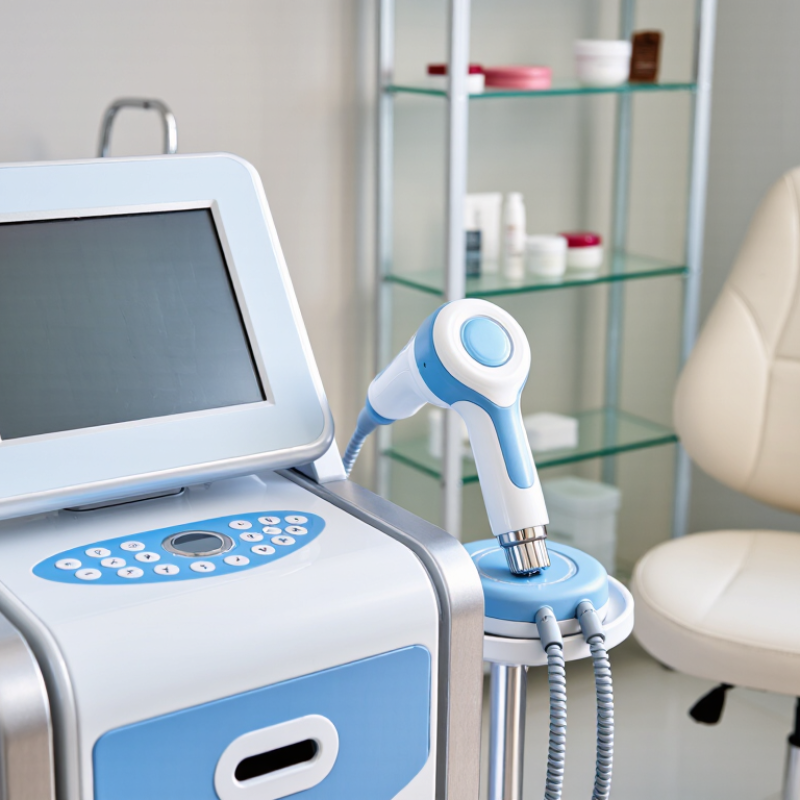
Understanding diode laser technology is essential when choosing a professional hair-reduction system. A diode laser delivers concentrated light into the hair follicle. Melanin absorbs this energy and converts it into controlled heat. The heat disrupts follicle activity without relying on surface burning.
Wavelength matters. Common diode systems use wavelengths near 755, 808, or 1064 nanometers. Shorter wavelengths may target lighter hair more effectively, while longer wavelengths can offer greater depth and improved comfort for darker skin types. No single setting suits everyone. Skin tone, hair thickness, treatment area, and growth stage all influence the result. Real treatment planning is more than selecting a number.
Look for adjustable fluence, pulse duration, spot size, and reliable cooling. Cooling should protect the epidermis before, during, and after each pulse. A trained practitioner should perform a skin assessment and test patch before full treatment. Ask whether the system records energy settings and treatment responses. Good records improve consistency.
Practical details matter.
A device may appear powerful but feel difficult to control. Excessive energy can increase discomfort and irritation. Insufficient energy may produce disappointing progress. Results also vary because hair grows in cycles, so several sessions are usually required. This is easy to underestimate. Review clinical evidence, safety documentation, maintenance support, and operator training before purchase. Even experienced users should reassess settings regularly, because real skin rarely behaves exactly like a specification sheet.
Choosing a diode laser should begin with the treatment goal, not the device’s appearance or marketing claims. Define whether the intended application is long-term hair reduction, maintenance sessions, or treatment across larger body areas. The ISAPS Global Survey 2023 reported more than three million laser hair-removal procedures worldwide, showing strong demand for controlled, professional treatments. However, patient demand does not replace clinical assessment.
Match the system to real treatment conditions. Dark, coarse hair usually responds better because it contains more melanin. Blonde, gray, and red hair may respond poorly. Skin tone also matters. A suitable wavelength, calibrated fluence, pulse duration, and reliable cooling system can improve comfort and reduce epidermal injury. Treatment records should include skin type, hair density, previous reactions, and medication history. Small details matter.
Ask practical questions. Can the operator adjust settings precisely? Is maintenance documented? Does the supplier provide training and safety guidance? A 2023 report by Grand View Research estimated the global laser hair-removal market at over one billion U.S. dollars, but market growth does not prove every system performs equally. Published evidence supports gradual reduction, not guaranteed permanent removal. That distinction is easy to overlook. My own critical view is simple: selecting a diode laser without defining patient profiles first can create inconsistent outcomes, even when the hardware appears advanced.
When comparing diode laser systems, examine wavelength, pulse duration, spot size, and cooling together. Many hair-reduction systems use wavelengths near 800–810 nm; longer wavelengths around 1064 nm are also used for deeper penetration. These figures describe common technical configurations, not guaranteed results. Skin tone, hair thickness, and treatment area affect appropriate settings. The FDA’s guidance on laser products and IEC 60825-1 distinguish laser hazard classifications; ask the supplier for the device’s classification and operating instructions. Numbers matter.
Safety depends on more than protective eyewear. Check for skin-contact or temperature monitoring, emergency shutoff, clear warning indicators, and documented maintenance procedures. IEC 60601-1 addresses basic medical electrical safety, while IEC 60601-2-22 covers medical laser equipment; request applicable test documentation rather than relying on a sales claim. The American National Standards Institute’s Z136.3 guidance also emphasizes controlled laser use in healthcare settings, including trained operators and eye protection suited to the wavelength. Ask how cooling performs during a full session, not just a brief demonstration. A tiny test patch may look reassuring, but it cannot predict every response. Compare the manual, service record, and safety checks side by side; one detail is easy to miss.
Training should cover more than pressing the treatment button. Ask whether instruction includes skin assessment, selecting settings, eye protection, cooling, and recognizing reactions that need clinical attention. The American Society of Plastic Surgeons reported 608,000 laser hair removal procedures in its 2023 procedural statistics. That volume makes consistent operator preparation important. A certificate alone, however, does not prove hands-on competence. Ask who teaches the course, how practice is supervised, and whether staff can repeat training when the team changes.
Check what certification actually applies to the device and its intended market. Request supporting documents, verify model details, and confirm that manuals and safety instructions match the equipment delivered. Requirements differ by location, so local authorities or qualified compliance professionals are better sources than a sales promise. Small details matter: a clear treatment log, intact protective eyewear, and written maintenance intervals can prevent avoidable confusion. They are not glamorous.
Service support deserves the same scrutiny as specifications. Ask how quickly technical help responds, whether replacement parts are available, and what happens if the system needs repair during a busy week. Request a sample maintenance schedule and warranty terms in writing. I would also ask for a live demonstration of basic checks; brochures cannot show how clearly staff explain a fault. No support plan is perfect, and response times can vary. Get commitments documented before purchase.
Evaluating Models and Verifying Supplier Reliability
Compare models using measurable specifications, not polished product photos. Check wavelength options, output power, pulse duration, spot size, and cooling performance. Ask for test reports showing energy consistency across repeated pulses. A comfortable handpiece matters, too; a heavy one can make long treatment sessions harder. Small detail.
Confirm that the supplier explains which skin and hair characteristics each configuration is intended to address, and provides practical training materials.
Supplier claims deserve careful checking. Grand View Research estimated the global laser hair removal market at about USD 1.1 billion in 2023, with projected growth through 2030. That forecast signals commercial interest, not proof that any device performs safely or reliably.
Request quality-management documentation, relevant electrical and laser-safety test records, warranty terms, spare-part availability, and a written service response time. Speak with existing professional customers, ideally about repairs and training, not only sales. Verify that serial numbers and documentation match the delivered unit.
Independent checks take time. They can also expose gaps a brochure will not show. I would still ask for a live demonstration; specifications alone cannot reveal awkward controls or inconsistent cooling.
Concentrated light reaches pigment in the hair follicle. The pigment absorbs energy, which becomes controlled heat and disrupts follicle activity. Not surface burning.
Systems often use wavelengths near 755, 808, or 1064 nanometers. Shorter wavelengths may suit some lighter hair, while longer ones can reach deeper. No setting fits everyone.
Dark, coarse hair often responds better because it contains more melanin. Blonde, gray, or red hair may respond less. Skin tone matters too.
Several sessions are usually needed because hair grows in cycles. Progress differs between people, and maintenance may be helpful. It varies.
Fluence, pulse duration, and spot size should match the person and treatment area. Precise adjustments matter. A high number alone proves little.
Look for reliable cooling, clear warnings, and an emergency shutoff. Ask for operating instructions and relevant safety documentation. Check cooling during a full session.
Review skin tone, hair density, treatment area, previous reactions, and medication history. A trained practitioner should perform a test patch before broader treatment. Small details matter.
Compare training, maintenance records, service support, and how settings are documented. A polished screen cannot show how the device feels in daily use. Looks aren't enough.
Choosing an Hc Beauty Diode Laser starts with understanding how diode laser technology works and what it is designed to do. Define the intended treatment goals and applications before comparing models, so the device’s capabilities align with the needs of the practice and its clients. Review key specifications, such as output settings and operating modes, alongside built-in safety features and the guidance provided for appropriate use.
A thorough evaluation also includes the training and certification required to operate the equipment, as well as the availability of technical assistance, maintenance, and after-sales service. Compare suitable models using consistent criteria, and verify the supplier’s reliability by checking product documentation, support arrangements, and clear warranty terms. Taking these steps helps buyers make a considered choice based on performance, safety, usability, and dependable support rather than price alone.

Venus Laser