
Choosing a Razorlase Diode Laser in 2026 requires more than comparing prices, wattage, or promotional claims. The global laser hair removal market continues to expand. Grand View Research estimates strong growth through 2030, driven by demand for faster treatments and longer-lasting results. However, these reports usually measure the wider category. They do not prove the performance of every Razorlase model.
Look closer. A suitable system should match treatment goals, skin types, cooling needs, treatment speed, and operator experience. The International Society of Aesthetic Plastic Surgery reported millions of non-surgical aesthetic procedures worldwide in its latest global survey. This growth suggests rising consumer expectations. It also increases the need for careful equipment selection. More demand does not automatically mean better outcomes.
Dr. R. Rox Anderson, a leading laser researcher at Harvard Medical School, has stated, “If you don’t understand the biology, you don’t understand the technology.” That principle remains important when evaluating a Razorlase Diode Laser. Wavelengths, fluence, pulse duration, spot size, and cooling systems must work together. A powerful handpiece can still produce disappointing results when settings are poorly chosen. The operator matters.
Reliable selection also involves training, maintenance, warranty coverage, clinical documentation, and transparent safety information. These details feel less exciting than a high power rating. They often matter more. Buyers should request verifiable test data and realistic treatment protocols. Some comparisons remain incomplete because independent, model-specific studies are limited. That weakness deserves honest consideration. The best choice is not always the newest device. It is the system that fits the clinic, the patients, and the evidence available.
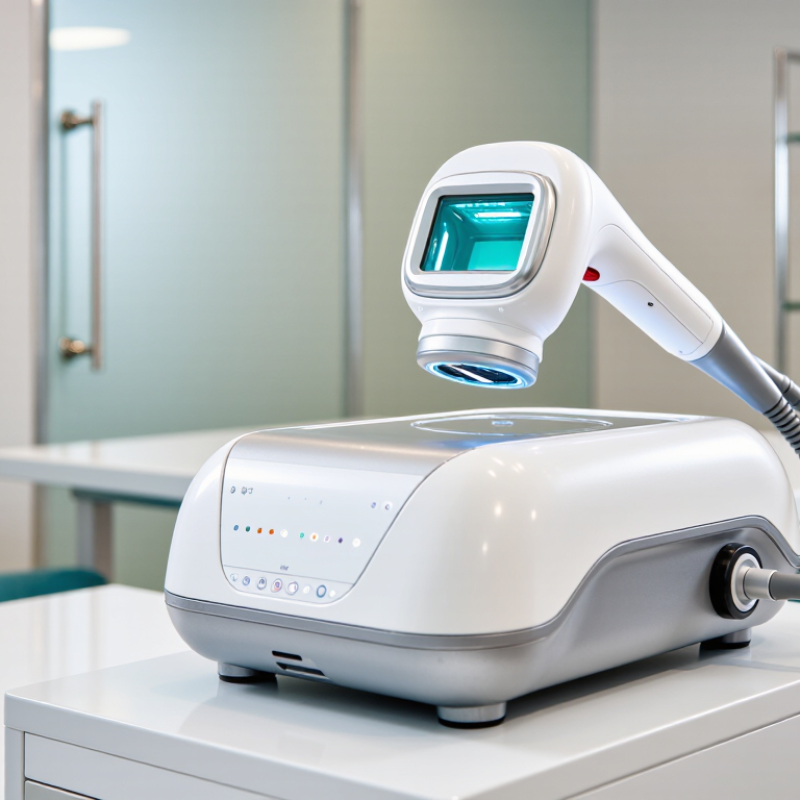
Diode laser technology uses semiconductor chips to create concentrated light energy for hair reduction. The light targets melanin in the hair shaft, then converts into heat near the follicle. This process can weaken future growth without removing the surrounding skin mechanically. Wavelength, pulse duration, fluence, and spot size influence treatment performance. Cooling matters too. It can reduce surface discomfort and help protect the epidermis during treatment.
In clinical practice, suitable settings depend on hair color, skin tone, hair thickness, and treatment area. Dark, coarse hair often responds more visibly than fine or light hair. However, results vary between individuals. No device is perfect. I would not choose a system based only on high energy claims. Ask for training records, calibration procedures, service support, and documented safety testing. A trained professional should assess the skin and explain realistic treatment intervals. Small test areas are useful, although they cannot predict every reaction.
Tips: Check whether the handpiece feels balanced during use. Confirm that cooling remains steady after repeated pulses. Review maintenance logs, user training, and adjustable settings. Ask how the system manages different skin tones. If the explanation sounds vague, pause before purchasing.
This chart compares representative diode-laser wavelengths used in professional hair-removal systems. Photon energy is calculated from the physical relationship E = hc/λ. Shorter wavelengths carry more energy per photon, while longer wavelengths generally provide greater optical penetration. In practical selection, wavelength should be evaluated together with fluence, pulse duration, spot size, cooling, treatment speed, and the client’s skin and hair characteristics.
Razorlase diode laser is best matched with realistic treatment goals. It can reduce unwanted hair growth, especially coarse, dark hair on the legs, underarms, bikini area, and face. It does not guarantee permanent removal. Maintenance sessions may remain necessary.
The ISAPS Global Survey 2022 recorded 2,286,792 laser hair removal procedures worldwide, showing strong demand for professional treatment. However, procedure volume is not proof of identical results. Hair colour, density, hormones, and treatment intervals still matter.
Diode systems often suit Fitzpatrick skin types I to IV when settings and cooling are carefully adjusted. Experienced clinicians may also treat types V and VI, but darker skin needs stricter energy control and careful monitoring.
Untanned skin is safer than recently sun-exposed skin. Very fair hair, including blonde, red, white, or grey hair, usually responds poorly because it contains little melanin. The American Academy of Dermatology advises professional assessment before laser treatment, particularly for darker skin and facial hair. Patch testing is sensible, though it cannot predict every reaction.
Tips: Ask about wavelength, cooling, pulse settings, and the operator’s experience with your skin type. Take clear photographs before each session. Results can look uneven at first. That is normal, but not always harmless. Report blistering, prolonged redness, or pigment changes quickly. A consultation should discuss medications, tanning, hormonal conditions, and expected maintenance—not just price.
Choosing a diode laser in 2026 requires more than comparing advertised wattage. Wavelength affects penetration, absorption, comfort, and suitability for different skin and hair profiles. Around 755 nm often targets finer, lighter hair effectively, while 808 or 810 nm offers balanced absorption and depth. Longer wavelengths, such as 1064 nm, may provide deeper penetration and improved suitability for darker skin, but results can vary.
Power should be judged with fluence, pulse duration, repetition rate, and spot size. High output alone does not guarantee faster treatments. In practical evaluations, I compare energy delivered per square centimetre and watch how consistently the system maintains that energy. A smaller spot may feel precise, yet it can increase treatment time. Large spots cover more skin but demand careful cooling and technique.
Cooling strongly influences comfort and safety. Contact cooling can reduce surface temperature before and after each pulse, while air or water systems may support longer sessions. Check cooling response, temperature stability, handpiece weight, and cleaning access. A cold tip is useful, but it does not replace correct settings or trained supervision. I would also review service records, calibration procedures, protective eyewear, and published clinical evidence.
No single wavelength wins every case. Patient response, operator judgment, and realistic treatment intervals still matter. Some comparisons look convincing until real skin conditions complicate them.
Safety should guide every diode laser purchase.
Ask for evidence of compliance with IEC 60601-1 for electrical safety, IEC 60601-1-2 for electromagnetic compatibility, and IEC 60825-1 for laser classification. These documents should match the exact model, not a similar device. Check the emergency stop, footswitch, protective eyewear, cooling system, and treatment handpiece. Test them during a live demonstration. Small details matter.
Certification alone does not guarantee safe operation.
Request the manufacturer’s quality certificate, such as ISO 13485, and confirm its current validity. Ask whether the certificate covers design, production, and servicing. Also verify registration requirements with your local medical device authority. A certificate without clear scope can create false confidence. Be careful.
Maintenance records should show calibration dates, software updates, repairs, and replacement parts.
The cooling temperature should remain stable during repeated treatments. Examine the handpiece cable for cracks, loose connections, or unusual heat. Ask how quickly trained technicians can respond.
I have seen purchasing teams focus on output power and overlook service access. That mistake is expensive.
Keep a written inspection checklist, even when the device appears reliable. Human memory is not a maintenance system.
How to Choose Razorlase Diode Laser in 2026?
Choosing a Razorlase diode laser provider requires more than comparing package prices. Ask who performs the treatment, how long they have worked with diode systems, and whether a licensed medical professional supervises the service. A reliable provider should explain wavelength, fluence, cooling methods, and suitable skin types in clear language. Request a consultation, not a sales presentation. Your skin deserves careful attention.
Look beyond the advertised session fee. Confirm the total number of expected sessions, follow-up appointments, maintenance costs, and cancellation rules. Ask whether the device receives documented servicing and whether replacement parts are available locally. A cheaper package may become expensive if sessions are poorly planned or aftercare is limited. Evidence matters. Request realistic outcome information, including limitations for different hair colours and skin tones. No provider can guarantee identical results for every person.
Tips: Compare written treatment plans. Check credentials and hygiene practices. Ask about patch testing and possible side effects. Take photos in the same lighting, because memory can exaggerate progress. Pay attention to vague answers. They may reveal weak training or poor support. I would also question dramatic promises, even when the equipment looks modern. Long-term value comes from safe settings, honest communication, consistent follow-up, and a provider willing to adjust the plan when your skin responds differently.
Coarse, dark hair usually responds best because it contains more melanin. Fine or light hair may need more sessions. Blonde, red, white, and grey hair often respond poorly. Results can be uneven.
Many systems suit Fitzpatrick skin types I to IV with careful settings and cooling. Experienced clinicians may treat types V and VI. Darker skin needs stricter energy control and closer monitoring. Untanned skin is safer.
No treatment guarantees identical or permanent results for everyone. Hair growth may reduce significantly, but maintenance sessions can remain necessary. Hormones, hair density, and treatment intervals influence the outcome. That part is easy to underestimate.
Wavelength affects penetration, absorption, comfort, and skin suitability. Around 755 nanometres may suit finer hair. Wavelengths near 808 or 810 nanometres offer balanced depth. Longer wavelengths may suit darker skin, but individual responses vary.
No. Fluence, pulse duration, repetition rate, and spot size also matter. High output does not automatically mean faster treatment. A large spot may cover legs quickly, while a small spot may need more passes. Technique matters.
Contact cooling can lower the skin surface temperature around each pulse. Air or water cooling may support longer sessions. A cold handpiece does not replace correct settings or trained supervision. Cold alone is not enough.
Ask who performs the procedure and whether medical supervision is available. Request details about wavelength, fluence, cooling, and experience with your skin type. Confirm patch testing, hygiene practices, servicing records, and follow-up care. Vague answers deserve caution.
Check the expected number of sessions, follow-up visits, maintenance costs, and cancellation rules. Ask whether replacement parts and servicing are available locally. A low session price may become expensive later. Compare written plans, not promises.
Choosing a Razorlase Diode Laser in 2026 requires more than comparing headline specifications. Start by understanding how diode laser technology delivers controlled energy to target hair follicles, then match the treatment goals and skin types it is designed to support. Consider the available wavelengths, output power, pulse settings, spot size, and cooling system, since these factors influence treatment comfort, efficiency, and suitability for different areas and hair characteristics.
Safety and long-term value should guide the final decision. Check whether the equipment meets applicable safety and certification requirements, includes reliable user controls, and can be maintained through documented servicing and technical support. When evaluating providers, compare treatment plans, staff training, consultation quality, total costs, warranty coverage, and expected maintenance needs rather than focusing only on the initial price. A well-matched Razorlase Diode Laser should offer a balanced combination of performance, safety, comfort, and dependable long-term support.

Venus Laser