
Selecting the right Medical Diode Laser is crucial for any practice. Dr. Jane Smith, a leading expert in laser technology, emphasizes, "The right laser can enhance patient outcomes significantly." It's not just about the equipment. Understanding its applications can shape the future of your practice.
In a market filled with options, distinguishing between various Medical Diode Lasers is challenging. Each model offers unique features that may or may not fit your practice needs. It's vital to consider factors such as wavelength and power settings. These elements impact effectiveness across different treatments.
Investing in a Medical Diode Laser is a commitment. The decision should be informed by both practicality and patient care considerations. Remember, choosing the wrong model can lead to wasted resources and unsatisfactory results. Reflect on your practice's goals and how a specific laser aligns with them before making a choice.
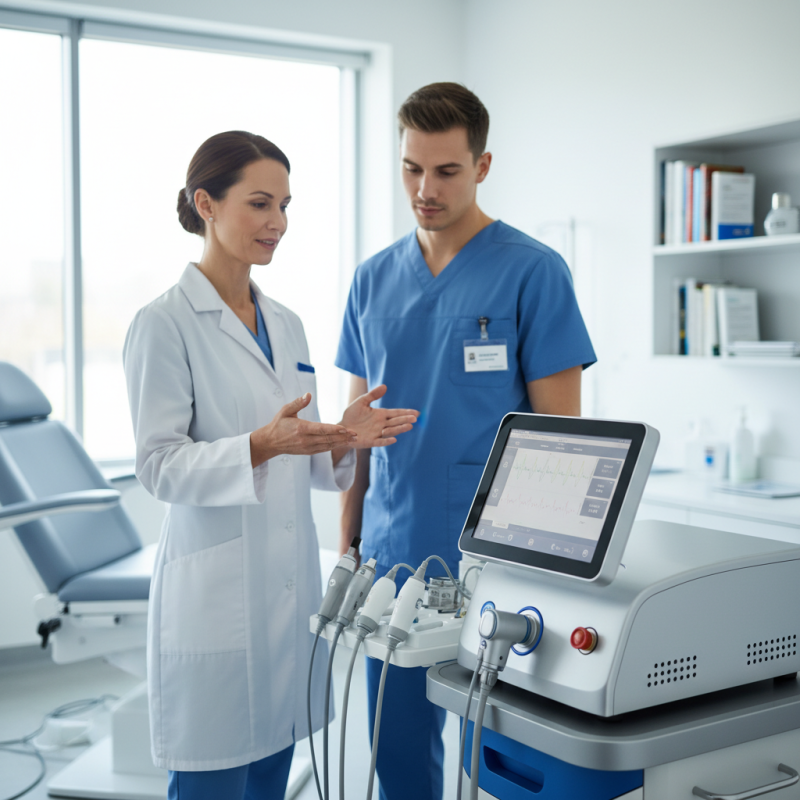
When considering medical diode lasers, it's essential to understand their diverse types. Medical diode lasers differ in wavelength, power output, and application. The most common wavelengths are around 810nm, 980nm, and 1064nm. Each wavelength serves different treatment purposes. For instance, the 810nm laser is effective for hair removal and vascular lesions, while the 980nm laser can target deeper tissues.
Versatility is a significant benefit of diode lasers. They can be used in various medical fields, such as dermatology, dentistry, and surgery. According to a report by Market Research Future, the medical laser market is expected to reach over $5 billion by 2025. This growth reflects the increasing reliance on diode lasers in clinical settings. However, practitioners must be cautious. Not all models are created equal. Factors such as energy density and pulse duration greatly affect treatment efficacy.
Another key consideration is safety. Some diode lasers can produce excessive heat, potentially leading to skin burns. A recent study showed that improper settings can result in complications in 15% of procedures. Hence, training is crucial. Practitioners should ensure they are familiar with the device's specific capabilities and limitations. This reflection on safety will guide in making informed decisions about laser selection.
Choosing the right medical diode laser can significantly impact your practice. Key features such as power, wavelengths, and beam quality are essential to consider. Power levels determine the laser's effectiveness in various treatments. Higher power may offer quicker results but can also increase discomfort. For delicate procedures, lower power settings might be preferable. Evaluating patient comfort alongside power can be challenging.
Wavelengths play a vital role in treatment applications. Different wavelengths target specific tissues and conditions. For instance, certain wavelengths excel in hair removal, while others are favored for vascular treatments. Understanding the spectrum of options allows practitioners to tailor treatments effectively. However, it's crucial to ensure the selected wavelengths suit the demographics of your patient base.
Beam quality affects the precision of treatments. A well-collimated beam penetrates tissues more accurately. This precision minimizes collateral damage and enhances patient outcomes. However, achieving the ideal beam quality requires careful consideration of the laser's design. You might find that balancing cost and performance is not straightforward. The pursuit of the perfect laser might leave some doubts about what truly fits your needs.
This chart illustrates the evaluation of key features in medical diode lasers, focusing on power output, wavelength, and beam quality metrics, which are crucial for determining the best laser for clinical practice.
When choosing a medical diode laser, understanding your practice's needs and patient demographics is crucial. Many facilities overlook this key aspect. The type of treatments you offer should guide your decision. Are you focusing on hair removal, vascular treatments, or pain management? Each application requires a specific type of laser.
Consider the demographics of your patients. What is their age range? Are they seeking cosmetic procedures, or do they require medical interventions? Younger patients might prefer quick, effective treatments. On the other hand, older patients might look for relief from chronic issues. Knowing your audience helps tailor your equipment selection.
Take time to assess your space and budget as well. Some lasers are compact and portable, while others require permanent setups. This may clash with your practice's layout. Balance these factors with the types of procedures you aim to perform. Reflecting on your current offerings and future goals can lead to a well-informed purchase decision.
When selecting a medical diode laser, evaluating brand reputation is crucial. A well-regarded brand often indicates product reliability and effectiveness. Look for companies with a history of positive feedback from medical professionals. User experiences can shed light on the quality of the laser and its performance in practice.
Customer support plays an equally important role in your decision. A responsive support team can make a significant difference. In case of technical issues or queries, quick assistance is essential. Providers with comprehensive training and user manuals are also beneficial. They will ensure practitioners feel confident using the equipment.
Consider reaching out to peers for their experiences. Sometimes, firsthand accounts reveal details not mentioned in reviews. Reflecting on these interactions may lead to a more informed choice. Invest time in research; it pays off. The right laser can enhance your practice significantly, impacting patient outcomes positively.
When selecting a medical diode laser, budgeting is crucial. Total costs include equipment, maintenance, and training. It's important to understand the upfront fees and ongoing expenses. Equipment can vary significantly in price, influencing your return on investment. Many practices overlook these additional costs, leading to financial strain.
Consider the potential income generated by the laser procedures. Analyze how many treatments are needed to break even. This assessment can guide your decision-making process. Sometimes, cheaper options might not offer the necessary features, impacting patient satisfaction.
Reflect on your current patient base and their needs. Investing in advanced equipment may capture a wider audience. Yet, ensure that the chosen laser aligns with your practice goals. Balancing immediate costs with long-term benefits requires careful planning and realistic expectations.
: Common wavelengths include 810nm, 980nm, and 1064nm. Each serves different treatment purposes.
Diode lasers are used in dermatology, dentistry, and surgery. They offer diverse treatment options.
The 810nm laser is effective for hair removal and treating vascular lesions. Its versatility is notable.
Improper settings may cause skin burns. Reports indicate a 15% complication rate from misuse.
Practitioners should assess their practice's needs and patient demographics before making a selection.
Understanding patient age and treatment preferences helps tailor equipment choices to better meet needs.
Energy density and pulse duration significantly impact treatment efficacy. Careful selection is necessary.
Evaluate whether lasers require permanent setups or are portable to match your practice's layout.
Yes, budget influences choices. Reflect on costs versus desired treatment capabilities for a balanced decision.
Consider current offerings, space, and future goals to make informed purchasing decisions.
Choosing the best Medical Diode Laser for your practice involves understanding the various types available, as well as evaluating key features such as power, wavelengths, and beam quality. Different medical applications may require specific laser characteristics, making it essential to align the laser's capabilities with your practice's needs and patient demographics.
Additionally, assessing brand reputation and customer support services can greatly influence your decision. Budgeting is another crucial factor, as it involves not only the initial costs of purchasing a Medical Diode Laser but also considerations for return on investment. By carefully weighing these factors, you can select a laser that enhances your practice while meeting both professional standards and patient expectations.

Venus Laser