
In recent years, the demand for effective hair removal solutions has surged, leading to innovations in the aesthetic laser industry. The "Two Handle Diode Laser" stands out for its efficiency and versatility. According to a report by the Global Laser Association, the diode laser market is expected to grow by 15% annually, highlighting its increasing appeal to both practitioners and patients.
Dr. Emily Carter, a leading expert in laser technology, emphasizes, "The Two Handle Diode Laser offers unparalleled precision and comfort, making it a favorite among professionals." This dual-handle design allows for simultaneous treatments, increasing efficiency. Users often report significant improvements in treatment speed and client satisfaction. However, finding the best model can be challenging.
Not all Two Handle Diode Lasers are created equal. Factors such as wavelength, energy output, and cooling technology play critical roles in their effectiveness. Practitioners may struggle to balance cost against quality. Therefore, thorough research and expert guidance are required for a successful investment in this advanced technology. Choosing wisely can redefine treatment outcomes and client experiences.
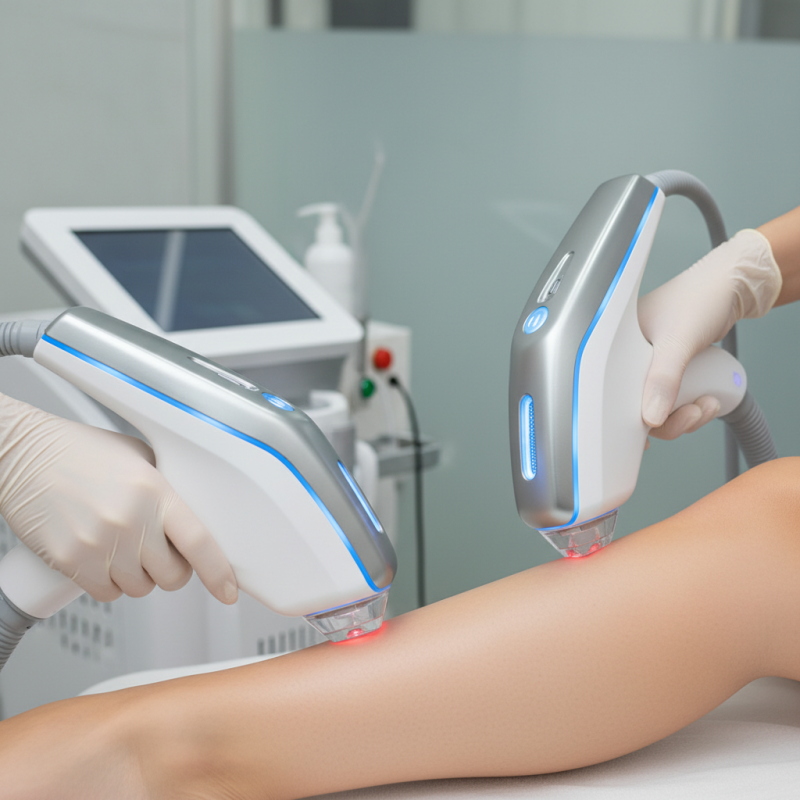
When exploring the realm of two handle diode lasers, understanding their fundamentals is crucial. Diode lasers are known for their precision and efficacy in various applications such as hair removal and skin rejuvenation. Reports suggest that the global market for diode lasers is expected to reach approximately $3 billion by 2026, highlighting their growing acceptance and utility.
Two handle diode lasers typically offer better ergonomics and facilitate dual functionality. This design often allows practitioners to treat multiple areas simultaneously, enhancing overall treatment efficiency. However, practitioners must carefully evaluate the quality of the lasers. Variability in wavelength, energy output, and cooling systems can greatly impact results. Studies indicate that effective wavelength ranges generally lie between 755 nm and 1064 nm for optimal hair removal.
Considerations must extend beyond performance. Safety features are paramount. Practitioners should ensure devices have effective skin cooling mechanisms to minimize discomfort and risk of injury. It's important to reflect on user experiences and clinical outcomes. While many lasers show promise, the learning curve may lead to inconsistent user satisfaction. Maintaining a critical perspective on these devices is essential for achieving the best patient outcomes.
When choosing a two-handle diode laser, key features matter. Precision is essential in laser treatments. Look for models with adjustable power settings. This allows for customized treatments depending on skin type and condition. Ergonomics should not be overlooked. A comfortable grip can make long procedures less taxing.
Consider the cooling system as well. Effective cooling minimizes discomfort during treatment. Some devices might lack adequate cooling, leading to patient distress. A user-friendly interface is another crucial aspect. Complex systems might complicate operations, especially for beginners. Insufficient training on complicated devices can lead to unsatisfactory results.
Evaluate the manufacturer's support and warranty. Reliable technical support can save time. New users might face challenges with unfamiliar equipment. A strong warranty can also indicate quality. Inconsistent performance might pose risks. Always weigh the benefits against potential drawbacks. Strive for a balance between functionality and ease of use.
When selecting a two-handle diode laser, comparing various brands and models is crucial. The market offers a multitude of options, each with unique features. According to a 2023 report from the Medical Laser Journal, more than 70% of practitioners found that reliability directly influenced their choice. A laser's longevity often correlates with reduced operational costs. Therefore, brands that offer extended warranties may seem more appealing.
Another essential factor is the user-friendliness of the device. Ease of operation can significantly affect treatment efficiency. Some devices come with advanced software, minimizing human error. However, this can result in higher initial costs. An industry analysis indicated that 45% of users reported challenges in mastering complex systems. Such hurdles could compromise treatment outcomes.
Additionally, customer support plays a vital role in the decision-making process. According to, 58% of users noted that responsive technical support influenced their satisfaction levels. Purchasing from a manufacturer with solid after-sales support can prevent frustration. Engaging in these comparisons is not just about features; it’s about understanding the real-world implications of each choice.
When evaluating diode lasers, performance and efficiency are key factors. The right laser can enhance treatment outcomes in various applications. Look for lasers that offer adjustable parameters. This feature allows customization for different skin types and treatment goals. Consistency in energy output also matters. A stable beam can improve effectiveness and minimize side effects.
Tips for assessing performance include checking pulse width and wavelength. Shorter pulse widths can provide better precision. Wavelength affects depth penetration, which is crucial for targeting various tissues. Efficiency is often linked with cooling systems in the laser. A well-designed cooling method can prevent overheating and ensure safer, more effective treatments.
It's essential to consider user feedback and clinical studies. Reviewing experts’ experiences can provide valuable insights. Not all diode lasers perform equally in real-world settings. Some may require more frequent maintenance or have inconsistent results. Reflecting on these aspects will lead to making a more informed decision when choosing a diode laser.
| Parameter | Value | Importance |
|---|---|---|
| Wavelength (nm) | 800 - 810 | High |
| Target Tissue | Follicular and vascular | Critical |
| Power Output (W) | 10 - 20 | Moderate |
| Pulse Duration (ms) | 5 - 20 | High |
| Cooling System | Water/Liquid cooled | Essential |
| Weight (kg) | 30 - 50 | Moderate |
| User Interface | Touchscreen | Important |
Investing in a two-handle diode laser requires careful budgeting and assessment of the value it brings. Begin by understanding the initial costs involved. High-quality devices often demand a significant upfront investment. But cheaper alternatives may lead to higher long-term costs due to maintenance and inefficiency. It's vital to evaluate both immediate expenses and potential savings.
Consider the features that enhance the device's value to your practice. Evaluate the laser's power range, pulse settings, and user interface. Each feature can impact treatment outcomes and patient satisfaction. A more advanced model may seem tempting, but does it really meet your specific needs? Sometimes, simpler models provide adequate performance for many applications.
Reflect on how the device aligns with your business goals. What is the return on investment (ROI)? Estimating the ROI can be complex, as it depends on patient volume and treatment types. Poor choices can lead to underutilization, leaving you with equipment that doesn’t serve its purpose. Weigh your options carefully before making a decision. Aim for balance between cost and functionality to maximize value.
: They are commonly used for hair removal and skin rejuvenation.
Wavelength affects treatment efficacy. Optimal ranges are typically between 755 nm and 1064 nm.
Better ergonomics allow practitioners to treat multiple areas at once, improving overall efficiency.
Effective skin cooling mechanisms are crucial to minimize discomfort and injury risks.
Inconsistent user satisfaction may arise from the learning curve associated with different devices.
High-quality devices require significant initial investments, while cheaper options may incur more long-term costs.
Responsive technical support can greatly affect user satisfaction and ease of operation.
Not always. Sometimes, simpler models sufficiently meet your needs and reduce costs.
Calculate the potential return on investment based on patient volume and treatment types.
Users may struggle to master complicated operations, which can compromise treatment outcomes.
When choosing the best Two Handle Diode Laser, it is essential to understand the fundamental principles that govern their functionality. This includes being aware of the key features that differentiate various models, such as power output, wavelengths, and cooling mechanisms. Evaluating the performance and efficiency of a Two Handle Diode Laser is crucial because these factors directly impact treatment outcomes and patient satisfaction.
In addition to understanding the technology and features, potential buyers should compare various brands and models to find one that best fits their specific needs and requirements. Budget considerations are also vital, as investing in a high-quality Two Handle Diode Laser can significantly enhance the value of services offered, leading to better patient experiences and outcomes. Thus, a comprehensive assessment of these elements will aid in making an informed decision when selecting the right diode laser for professional use.

Venus Laser