
What Is the Price of China Top Sincoheren Diode Laser?

Time:2026-10-07 Author:Sophia
0%

Understanding the price of a China Top Sincoheren Diode Laser requires more than checking a supplier’s headline quotation. Prices can vary with laser wavelength, treatment handpieces, cooling technology, power output, and software functions. A basic professional unit may cost far less than a model with dual wavelengths, a larger screen, and advanced temperature monitoring. The difference can be substantial.

Real purchasing experience shows that the quoted price rarely tells the complete story. Buyers should ask whether the quotation includes shipping, installation, operator training, spare parts, warranty support, and applicable taxes. A machine may look affordable, yet replacement handpieces or delayed technical service can increase ownership costs. Request clear product specifications, recent test records, and photographs of the actual device. Small details matter.

Quality verification also deserves careful attention. Check the manufacturer’s business history, factory information, user feedback, and available compliance documents for your market. Do not rely only on polished promotional images. A reliable supplier should explain expected treatment performance, maintenance requirements, and safe operating procedures without making unrealistic promises. Pricing information can change with currency rates, order quantity, and delivery terms. This article cannot replace a direct quotation.

It offers a practical framework for comparing Sincoheren Diode Laser models and suppliers. Readers will see which features influence cost, how to identify hidden expenses, and what questions to ask before payment. The cheapest option is not always the most economical. Sometimes, a slightly higher price protects long-term performance. That point is easy to overlook.
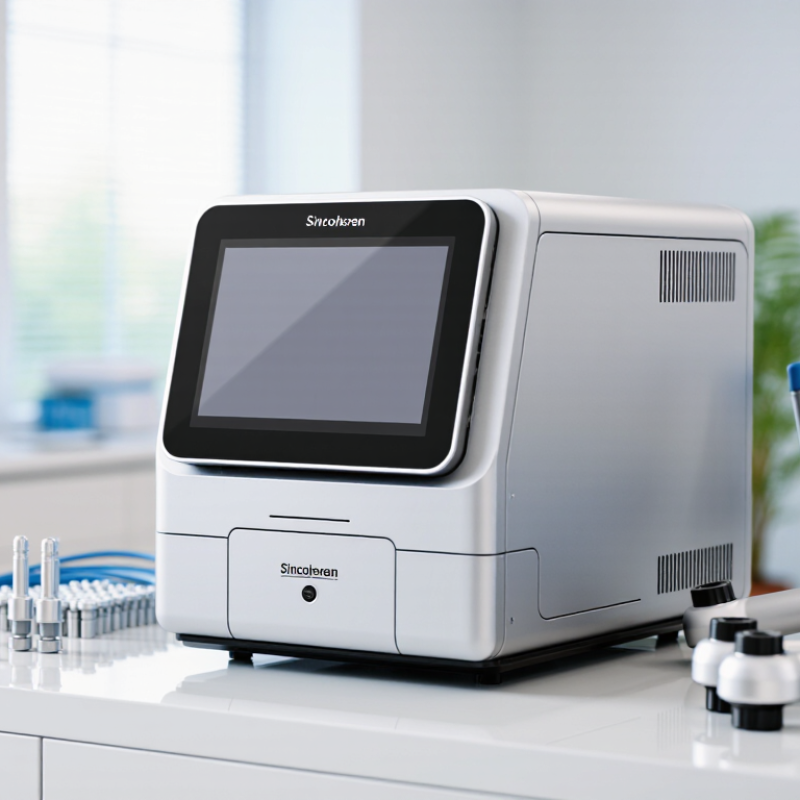
What Is the Price of China Top Sincoheren Diode Laser?

What Is the China Top Sincoheren Diode Laser?

China’s top diode laser is not defined by a label alone.

It is a professional hair-removal platform using concentrated light, commonly around 808 nanometers. Some systems combine 755, 808, and 1064 nanometers for different skin tones and hair depths.

Performance depends on fluence, pulse width, spot size, cooling, and handpiece design. A larger spot can shorten treatment time, while stable sapphire cooling may improve patient comfort.

The global laser hair removal market was valued at approximately USD 1.03 billion in 2022, according to Grand View Research. The same report projected strong growth through 2030.

This demand encourages rapid manufacturing, but “top” remains a difficult claim. A polished screen does not guarantee consistent output. I have seen specifications look impressive while clinical handling felt less convincing.

Tips:

Check measured energy stability, cooling temperature, treatment records, and service response before comparing price. Ask for electrical safety documentation, user training, warranty terms, and clear maintenance procedures. A practical test should include different hair thicknesses and several skin tones. One demonstration is not enough.

Price differences often reflect diode life, cooling architecture, certification, software, and technical support. Industry buyers should compare delivered cost, not only the machine quotation. A lower purchase price can become expensive when handpieces fail or calibration is delayed.

Reports from the International Electrotechnical Commission emphasize safety controls for medical electrical equipment, including protection against electrical and thermal hazards. Buyers should verify applicable local requirements before installation.

Cost matters. Reliable output matters more.

Which Factors Determine Its Market Price?

The price of a top China-made diode laser depends on more than its factory quotation. A basic model may cost less, while a professional system with stronger cooling, multiple wavelengths, and higher energy control costs more. Treatment speed also matters. Faster equipment can increase clinic productivity, but the purchase price may rise.

Market price is shaped by certification, testing records, warranty length, and technical support. Export packaging, shipping distance, customs duties, and currency changes can alter the final amount. Local distributors may add training, installation, spare parts, and after-sales service. These services are valuable, but their fees should be shown clearly. In my experience, buyers often focus on the machine price and overlook replacement handpieces or cooling components. That is a costly mistake. Yet, comparing only specifications can also mislead, because real performance depends on operator training and maintenance.

Tips: Request a complete quotation. Check included accessories, warranty coverage, delivery terms, and service response times. Ask for compliance documents that apply to your market. Test the handpiece weight and interface before ordering, if possible. A lower quote is not always a lower investment. One detail may be missing.

How Do Models and Specifications Affect the Cost?

What Is the Price of China Top Sincoheren Diode Laser?

How Do Models and Specifications Affect the Cost?

A professional diode laser system from China often costs between $4,000 and $18,000 before shipping, taxes, and installation. Premium configurations may exceed $25,000. These figures reflect recent distributor quotations, not fixed market prices. The laser hair removal market was valued at approximately $1.07 billion in 2023, with a projected 13.1% CAGR through 2030, according to Fortune Business Insights’ 2024 report. Rising demand encourages wider model choices, but it also creates inconsistent pricing.

Specifications explain much of the difference. A 755/808/1064 nm platform usually costs more than a single-wavelength unit. Higher output power, larger spot sizes, faster repetition rates, and stronger sapphire cooling increase the purchase price. A 2,000-watt label sounds impressive. It may not show actual treatment performance. Cooling stability, handpiece durability, and pulse consistency matter more during a busy clinic day. Grand View Research reports that advanced aesthetic devices increasingly compete through safety features and operating efficiency, not power alone.

My practical estimate is simple. A compact 808 nm model suits smaller treatment rooms and limited budgets. A multi-wavelength system fits clinics serving varied skin types, but requires better training and maintenance. Certification documents, warranty length, spare handpieces, software support, and delivery terms can add 10% to 25% to the final cost. Hidden fees remain common. Buyers should request test videos, electrical specifications, service records, and a written quotation before comparing models. Some quotations still omit installation. That deserves a second look.

What Is Included in the Purchase Price?

What Is the Price of a China-Made Diode Laser?

The purchase price of a China-made diode laser is not only the number on a quotation. A professional buyer should check what that figure covers. A standard package may include the laser console, treatment handpiece, protective eyewear, foot pedal, power cable, and basic operating software. Some suppliers also add cooling accessories, a starter filter, and a user manual. These details affect the real cost of preparing the device for daily work.

Ask whether installation, delivery, customs charges, and local taxes are included. Training may be offered online, while on-site instruction costs extra. A written warranty should state its length, covered parts, response time, and return procedure. Confirm whether replacement handpieces, cooling pumps, and treatment tips have separate prices. Technical support matters after the first sale. In my experience, a low quote can become expensive when shipping or service fees appear later. I still think buyers sometimes overvalue a polished package and undervalue response speed.

Tips: Request an itemized pro forma invoice before payment. Compare the same configuration, not just the headline price. Check voltage, plug type, cooling performance, and expected service intervals. Ask for training records and clear user instructions. Keep a small budget for maintenance. It is easy to forget.

How Can Buyers Compare Price and Overall Value?

How Can Buyers Compare Price and Overall Value?

A low factory quote does not show the real purchase cost. Grand View Research valued the global laser hair removal market at about USD 1.03 billion in 2023. Fortune Business Insights reported a similar market estimate, but different scopes create different figures. This difference deserves attention. Buyers should compare specifications, not advertisements.

Request the diode wavelength, output stability, spot size, pulse duration, cooling method, and treatment speed. A larger spot may reduce appointment time, while stable cooling can improve patient comfort. Check whether the quoted price includes delivery, installation, training, taxes, warranty, and replacement parts. The cheapest quote can age badly.

Use a three-year ownership worksheet. Divide the full cost by expected treatments, then add service visits and downtime. A USD 12,000 device used for 3,000 sessions costs USD 4 per session before maintenance. A USD 18,000 system may cost less per treatment if it completes more sessions reliably. Verify ISO 13485 certification, electrical safety documents, clinical evidence, and local registration requirements. Ask for service-response times in writing. Some sellers provide impressive figures but weak after-sales support. That is a mistake buyers, including experienced ones, can make.

What Is the Price of a China Diode Laser? Comparing Price and Overall Value

This buyer-planning example shows how a quoted equipment price can differ from the estimated three-year delivered cost. Replace the sample assumptions with verified supplier quotations, shipping terms, warranty coverage, and local import charges before making a purchase.

In this example, the equipment quotation represents about 74% of the estimated three-year delivered cost. Buyers should compare warranty duration, included training, service response, replacement-parts availability, cooling performance, and expected treatment capacity rather than judging value by purchase price alone.

FAQS

What is a professional diode laser hair-removal system?

It uses concentrated light, commonly near 808 nanometers, to target hair follicles. Some systems combine 755, 808, and 1064 nanometers. The best choice depends on skin tone, hair depth, and treatment goals.

What features affect treatment performance?

Fluence, pulse width, spot size, cooling, and handpiece design matter. A larger spot may shorten treatment time. Stable sapphire cooling can improve comfort. Still, specifications alone can mislead.

Does a polished touchscreen prove high quality?

No. A polished screen proves very little. Check measured energy stability and cooling temperature. Review treatment records across different hair thicknesses and skin tones. One demonstration is not enough.

How can buyers compare different systems fairly?

Compare delivered cost, output stability, cooling, warranty, and support. Request complete quotations with accessories listed clearly. Test the handpiece weight and interface when possible. A cheaper machine may become expensive later.

Why do diode laser prices vary?

Prices reflect diode life, cooling architecture, software, certification, and technical support. Multiple wavelengths may increase the cost. Faster treatment can improve clinic productivity. However, higher speed does not guarantee better results.

What extra costs should buyers consider?

Include shipping, packaging, customs duties, currency changes, installation, and training. Replacement handpieces and cooling parts can add substantial expense. Maintenance delays may also reduce daily treatment capacity. That detail is easy to miss.

What documents should buyers request before installation?

Request electrical safety documents, testing records, warranty terms, and maintenance procedures. Confirm requirements for the intended market and facility. Ask how technical problems are handled. Clear answers matter.

How important are operator training and maintenance?

They are important for consistent and safe operation. Training should cover settings, cooling checks, cleaning, and routine inspections. Poor maintenance can affect output and patient comfort. I would not treat training as optional.

Is one wavelength suitable for every client?

Not necessarily. Different wavelengths may suit different skin tones and hair depths. A practical evaluation should include varied clients and hair thicknesses. Individual assessment remains necessary. There is no universal setting.

Conclusion

Understanding the price of a Sincoheren Diode Laser requires more than looking at the initial quotation. Market pricing is influenced by the device’s laser wavelength, power range, treatment spot size, cooling system, handpiece design, screen interface, safety functions, and expected service life. Different models and specifications are designed for different professional needs, so a higher price may reflect stronger performance, faster treatment coverage, improved comfort, or more flexible operating settings rather than unnecessary cost.

The purchase price may include the main device, treatment handpieces, cooling components, user documentation, basic training, packaging, and after-sales support, although the exact package can vary. Buyers should compare not only the equipment price but also warranty coverage, replacement-part availability, technical assistance, shipping, maintenance, and operating efficiency. Evaluating total ownership cost and practical treatment value helps buyers choose a suitable Sincoheren Diode Laser according to their budget, workload, and long-term business requirements.

Sophia

Sophia

Sophia is a dedicated marketing professional with an exceptional depth of knowledge about her company's products and services. With a keen understanding of market trends and customer needs, she crafts insightful blog posts that not only inform but also engage readers, enriching the company’s online......