
As the demand for advanced laser technology grows, the "Diode Laser 3 Wavelength" solutions have gained global attention. Dr. Emily Chen, a leading expert in laser engineering, once stated, "The versatility of Diode Lasers can redefine applications in numerous fields." This insight highlights the significance of three-wavelength diode lasers, which offer exceptional adaptability for various functionalities.
In manufacturing and medical applications, these lasers provide precision and efficiency. Their ability to switch wavelengths allows for customization. However, the technology also has its challenges, such as alignment and calibration. Manufacturers are continually working to overcome these issues.
The quest for excellence in the Diode Laser 3 Wavelength sector requires dedication and innovation. As buyers navigate this evolving market, understanding the complexities is crucial. The right partner can make all the difference in achieving optimal performance and reliability.
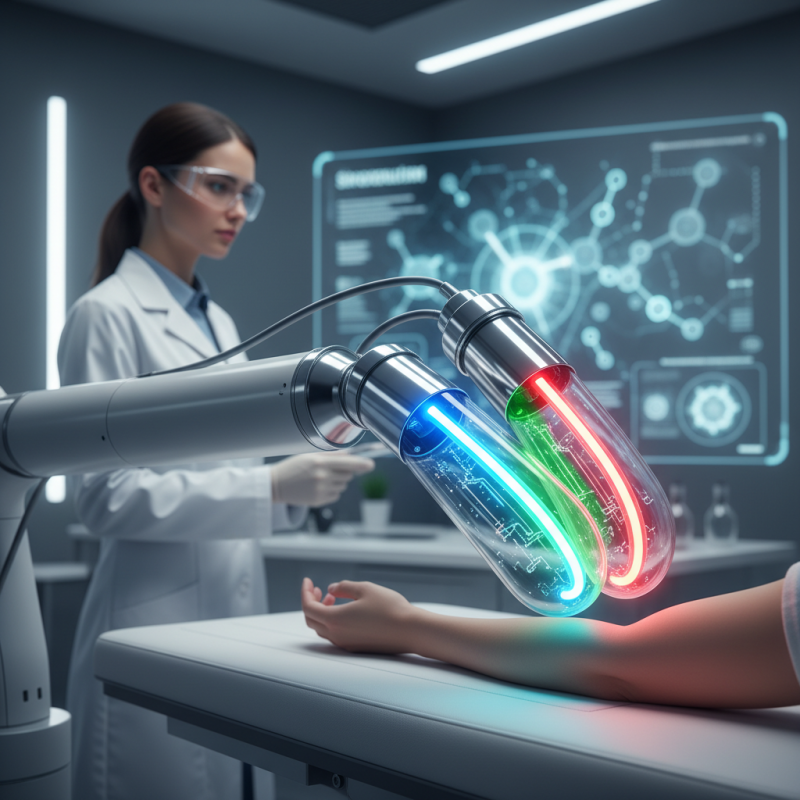
China has become a key player in diode laser technologies. The country specializes in offering innovative solutions across three primary wavelengths:
405 nm,
650 nm, and
980 nm. These wavelengths cater to various applications, including medical, industrial, and consumer electronics.
Experts highlight the rapid advancements in China’s manufacturing processes. The focus on precision and efficiency sets the stage for high-quality production. However, challenges exist in maintaining consistent quality across different batches. This inconsistency can impact the end-user experience. It calls for buyers to conduct thorough evaluations when selecting suppliers.
The demand for diode lasers continues to grow globally. China’s ability to provide cutting-edge solutions remains strong. Yet, as the market evolves, it encourages ongoing research and development efforts. Companies must adapt to emerging technologies and customer needs. This evolution allows stakeholders to leverage China's capabilities effectively while addressing potential shortcomings.
3 wavelength diode lasers have found critical applications across multiple industries. In medical fields, they are used for precise treatment of skin and eye conditions. These lasers offer targeted therapy, minimizing damage to surrounding tissues. Furthermore, their versatility makes them suitable for hair removal, tattoo removal, and even dental procedures.
In manufacturing, 3 wavelength diode lasers enhance production efficiency. They are integral in cutting, engraving, and welding materials. The ability to switch wavelengths enables manufacturers to work with various materials effectively. Yet, challenges persist in achieving consistent quality and precision. A deeper understanding of each material's response to different wavelengths is essential for optimal results.
Research and development continue to advance diode laser technology. Customization is key for meeting specific industry needs. Without it, the effectiveness of these lasers can diminish. Industries must remain adaptive and innovative. Future advancements depend on collaboration between engineers and end-users. This ongoing dialogue enhances the reliability and application of diode lasers in diverse sectors.
The diode laser market has witnessed significant advancements, especially in China. Chinese solutions offer three wavelengths, catering to diverse applications. This flexibility is a notable advantage for global buyers seeking tailored solutions.
When comparing Chinese diode lasers with global competitors, several factors stand out. The manufacturing processes in China often enable more rapid production times. Pricing is another critical aspect; many Chinese options present cost-effective solutions without compromising quality. However, buyers must also consider consistency in performance and reliability.
While some Chinese manufacturers boast impressive specs, user feedback may vary. Variations in quality assurance practices can lead to discrepancies in product performance. It's essential for buyers to conduct thorough research and possibly engage with existing users to gauge satisfaction levels. In an evolving market, the emphasis on developing trustworthy partnerships is paramount for ensuring long-term success.
| Wavelength (nm) | Output Power (W) | Efficiency (%) | Cooling Method | Price Range (USD) |
|---|---|---|---|---|
| 450 | 3 | 50 | Air Cooling | 500 - 700 |
| 520 | 3 | 55 | Water Cooling | 600 - 800 |
| 635 | 3 | 52 | Air Cooling | 550 - 750 |
| 808 | 3 | 60 | Water Cooling | 700 - 900 |
The demand for multi-wavelength laser solutions is increasing. Several factors contribute to this trend. One key driver is the expansion of various industries such as medical, telecommunications, and manufacturing. Multi-wavelength lasers offer versatility, enabling diverse applications. This flexibility allows manufacturers to meet specific needs efficiently.
Different industries require unique wavelength ranges. For instance, medical applications often utilize lasers for precise surgeries. By offering multiple wavelengths, manufacturers provide solutions that cater to varying medical needs. This adaptability fosters innovation and enhances treatment outcomes.
Tips: Always consider the specific application when selecting a laser. Assess wavelength compatibility to ensure optimal performance. Regularly review advancements in laser technology to remain updated.
The challenge lies in integrating these multi-wavelength solutions into existing systems. Some companies hesitate due to the costs associated with upgrades. However, investing in advanced technologies can lead to long-term benefits. Relying on outdated systems may limit efficiency and competitiveness.
The global diode laser market is witnessing dynamic changes. According to a recent report, the market is expected to reach $5.32 billion by 2025, growing at a CAGR of 8.8%. This growth is driven by advancements in technology and diverse applications like telecommunications and medical equipment.
However, supply chain challenges persist. The COVID-19 pandemic exposed vulnerabilities in manufacturing. As demand surges, the pressure on suppliers intensifies. Some manufacturers struggle to maintain quality and efficiency during production. Emerging economies are focusing on improving their manufacturing capabilities to compete globally. This shift could reshape the industry landscape.
Future trends indicate a push towards multi-wavelength solutions that enhance versatility. New materials and designs are on the horizon. These innovations could lead to more compact and energy-efficient lasers. Industry experts note the importance of sustainable practices in production, emphasizing environmental responsibility. Addressing these aspects could be crucial for long-term success in the diode laser market.
: They offer three wavelengths, providing flexibility for various applications and tailored solutions for buyers.
Chinese manufacturers often have more rapid production times, making it easier to meet market demands.
Many options from China are priced competitively, but buyers should still evaluate quality and performance consistency.
User experiences can reveal variations in performance, which may indicate inconsistencies in quality assurance practices.
Industries like medical, telecommunications, and manufacturing are expanding and require versatile multi-wavelength lasers.
They are often used for precise surgeries, catering to various medical needs by offering multiple wavelength options.
It's crucial to assess wavelength compatibility and stay updated on advancements in laser technology.
Some hesitate due to upgrade costs and potential disruptions, despite the long-term benefits of advanced technology.
Relying on older technology can limit competitiveness and hinder operational efficiency in a fast-evolving market.
Establishing trustworthy relationships and conducting thorough research are vital for long-term success and satisfaction.
The article titled "China Top Diode Laser 3 Wavelength Solutions for Global Buyers" provides a comprehensive overview of the advancements in diode laser technologies emerging from China. It highlights the key applications of Diode Laser 3 Wavelength solutions across various industries, emphasizing their versatility and efficiency in areas such as medical, telecommunications, and manufacturing. Furthermore, the article compares Chinese offerings with those from global competitors, shedding light on the competitive advantages that drive demand for multi-wavelength laser solutions.
Additionally, it discusses the factors propelling the growth of diode laser markets, including technological advancements and increased industrial applications. The future trends in diode laser development are explored, with insights into how evolving global supply chains will shape the landscape. Overall, this summary underscores the significance of Diode Laser 3 Wavelength technologies in meeting diverse customer needs worldwide while positioning China as a leading innovator in this field.

Venus Laser